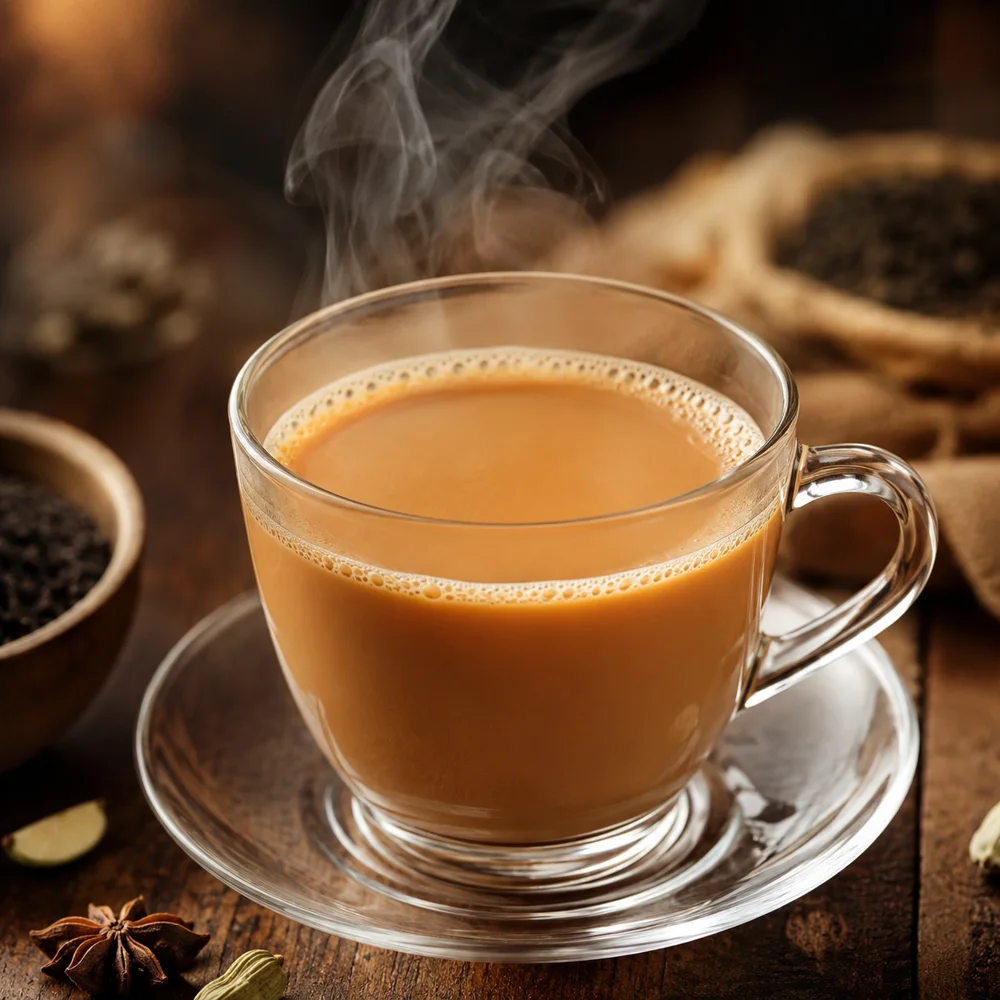
If you have bought tea in India, you have almost certainly bought CTC tea, even if you never noticed the name. Most of the tea brewed in Indian homes, offices and chai stalls is CTC. Here is what it means and why it matters for your cup.
What does CTC stand for?
CTC stands for Crush, Tear, Curl. After the tea leaves are plucked and withered, they pass through rollers with sharp teeth that crush, tear and curl them into small, hard granules. The leaf is then oxidised and dried.
How is CTC different from leaf tea?
- Strength: the small granules have more surface area, so CTC releases colour and flavour quickly and gives a strong, bold cup.
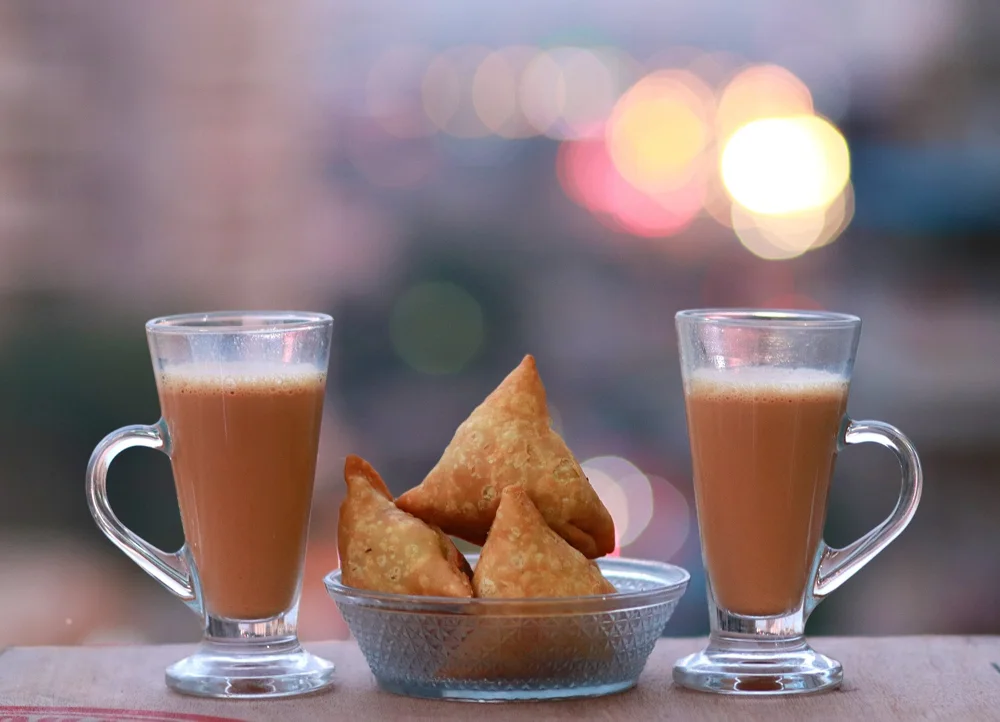
- Best with milk: CTC's body and malty taste stand up to milk, sugar and spices. That is why it is perfect for Indian chai.
- Orthodox leaf tea keeps the leaf whole or broken. It brews more slowly into a lighter, more delicate cup usually enjoyed without milk.
Why Assam CTC?
Assam, in the Brahmaputra valley, is one of the largest tea-growing regions in the world. Its warm, humid climate produces tea with a naturally strong, malty character. That makes Assam CTC the first choice for kadak chai.
CTC grades: granules and dust
CTC tea is sorted by size. Larger granules brew a balanced, aromatic cup. Finer dust grades brew very fast with deep colour, which is why tea stalls and restaurants love them. ChaskaTea Classic and Premium are granular blends for everyday chai. Supreme Dust, S8 and S9 are our strongest, fastest-brewing teas.